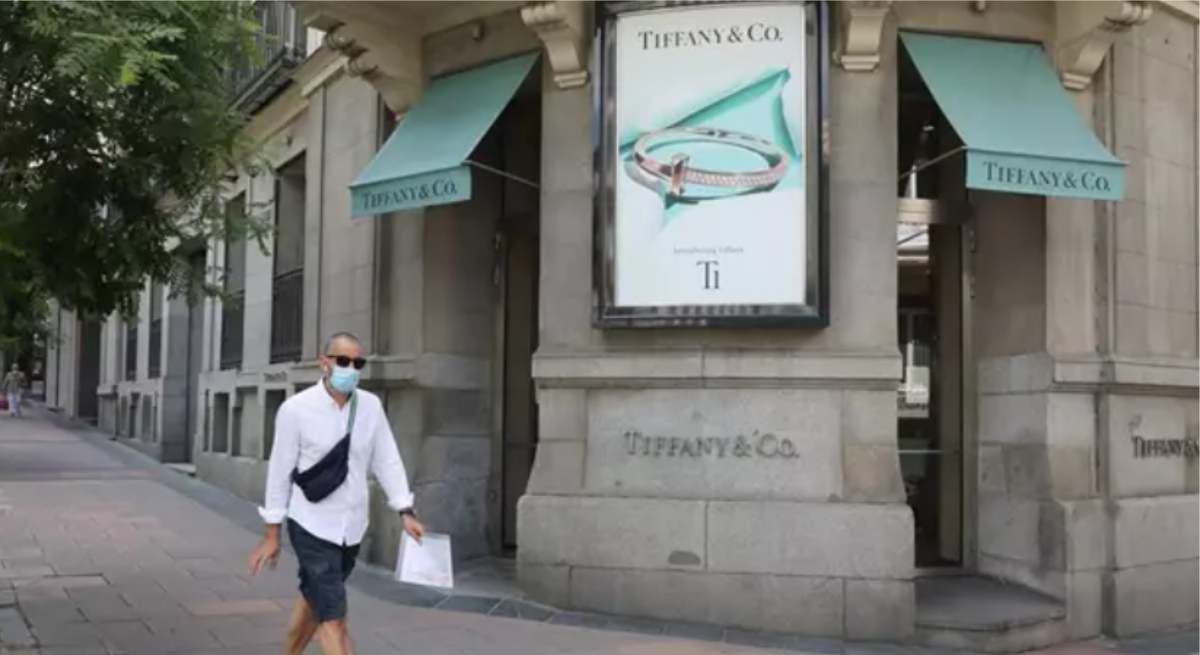
Luxury market settles in Spain: 17,000 million in turnover and 4.5% of the European market
The luxury market is a profitable reality in Spain. In 2022, it had a turnover of 17 billion euros, representing 4.5% of this sector in Europe.
This is highlighted in the report Perspectiva del Mercado de Alta Gama en España, by Círculo Fortuny with the analysis of McKinsey McKinsey & Company, which, at a global level, assigns Spain 1% of the world market (1.4 trillion euros).
Despite this, Spain lags behind other European competitors, habitual players in the sector, such as France, which accumulates three times more, and Italy, which doubles Spain.
In any case, forecasts indicate that the sector will grow by 7% to 9% each year until 2027, reaching a turnover of 23 to 27 billion euros. This growth in high-end is justified by the rise of customer experience, which now accounts for more than half of the market (51%), as opposed to personal goods and objects.
The high-end, in turn, contributes between 0.5% and 1% to GDP with its sales, to which is added another 1% contributed by exports, which amounted to €20 billion and grew by 4% compared to 2017. The report attributes the good data to "a growing international recognition" of the Spanish luxury sector, "especially in Europe and the United States".
According to Xandra Falcó, President of Circulo Fortuny, "Spanish cultural and creative excellence is in a good moment, and will continue to grow in the coming years, strengthening its role as an engine of the economy", while pointing to a "change in trend towards experience" that "represents a huge opportunity" to be seized "as a differentiating factor in a global scenario".
High range in different sectors
High-end expertise is present in sectors such as fine dining, hospitality, hospitality and wellness, or events, and has been strengthened in the last five years, as it has gained three percentage points compared to personal goods.
The report forecasts that all luxury categories, experiences and personal goods, will grow by 2027, with increases in hospitality and wellness (up 14%), events and leisure (10%), cosmetics and fragrances (10%), fine dining and hospitality (8%) and furniture and interior decoration (8%).
Despite the economic uncertainty, the study highlights a growth in the local high-end client base, the staggered return of tourism and the emergence of a new international resident profile, which would have "a positive impact on the sector".
There is also an evolution in consumer preferences, with a rise in the taste for discreet or silent luxury, as well as a casualization of style and a preference for local products.